Anti Inflammatory Diet You Should Follow
Understanding Inflammation and Your Diet
Chronic inflammation is linked to numerous health conditions, from joint pain to digestive issues. The good news? What you eat can make a powerful difference in reducing inflammation and supporting your overall wellness.
Foods to Include in Your Anti-Inflammatory Diet
1. Leafy Greens and Vegetables
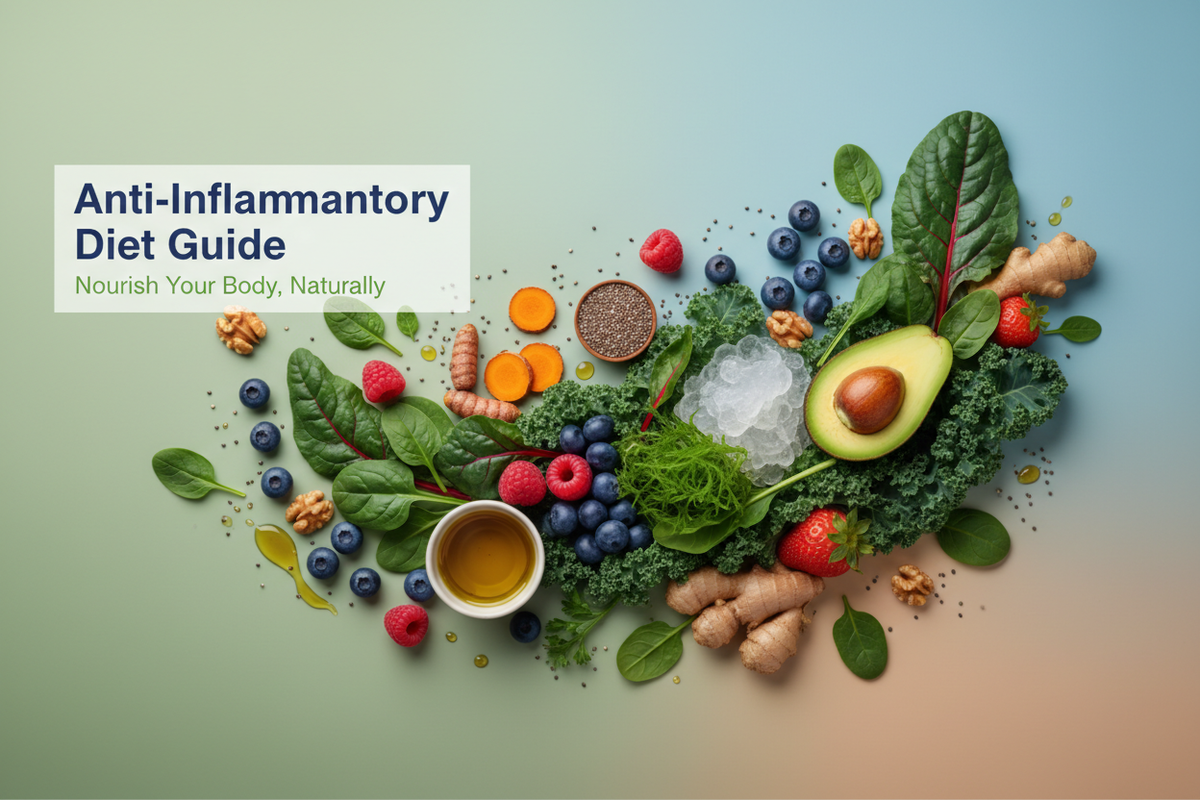
Dark leafy greens like spinach, kale, and collard greens are packed with antioxidants and vitamins that combat inflammation. Aim to fill half your plate with colorful vegetables at each meal.
2. Fatty Fish and Omega-3s
Salmon, mackerel, sardines, and other fatty fish are rich in omega-3 fatty acids, which are powerful anti-inflammatory compounds. Try to include fish in your diet 2-3 times per week.
3. Sea Moss and Sea Vegetables
Sea moss is a nutrient-dense superfood containing 92 of the 102 minerals your body needs. Its natural anti-inflammatory properties, combined with high levels of potassium chloride, help reduce inflammation and support joint health.
4. Berries and Fruits
Blueberries, strawberries, and cherries contain anthocyanins and other antioxidants that fight inflammation. Fresh or frozen, these fruits make excellent snacks or smoothie additions.
5. Nuts and Seeds
Almonds, walnuts, chia seeds, and flaxseeds provide healthy fats and fiber that support an anti-inflammatory response in your body.
6. Turmeric and Ginger
These powerful spices contain curcumin and gingerol, compounds with potent anti-inflammatory effects. Add them to teas, smoothies, or meals.
Foods to Limit or Avoid
- Refined carbohydrates (white bread, pastries)
- Fried foods and trans fats
- Excessive sugar and high-fructose corn syrup
- Processed meats
- Excessive alcohol
Building Your Anti-Inflammatory Plate
A simple formula for each meal:
- 50% vegetables (especially leafy greens)
- 25% lean protein (fish, poultry, legumes)
- 25% whole grains or starchy vegetables
- Healthy fats from olive oil, avocado, or nuts
Lifestyle Tips for Reducing Inflammation
Diet is just one piece of the puzzle. Combine your anti-inflammatory eating with:
- Regular physical activity
- Adequate sleep (7-9 hours nightly)
- Stress management practices
- Staying hydrated
- Quality supplements like sea moss gel to fill nutritional gaps
Start Your Journey Today
Transitioning to an anti-inflammatory diet doesn't have to be overwhelming. Start by adding one or two anti-inflammatory foods to your daily routine and gradually build from there. Your body will thank you with increased energy, reduced pain, and improved overall wellness.
Remember, consistency is key. Small, sustainable changes lead to lasting results.

Written by Deairra Taylor